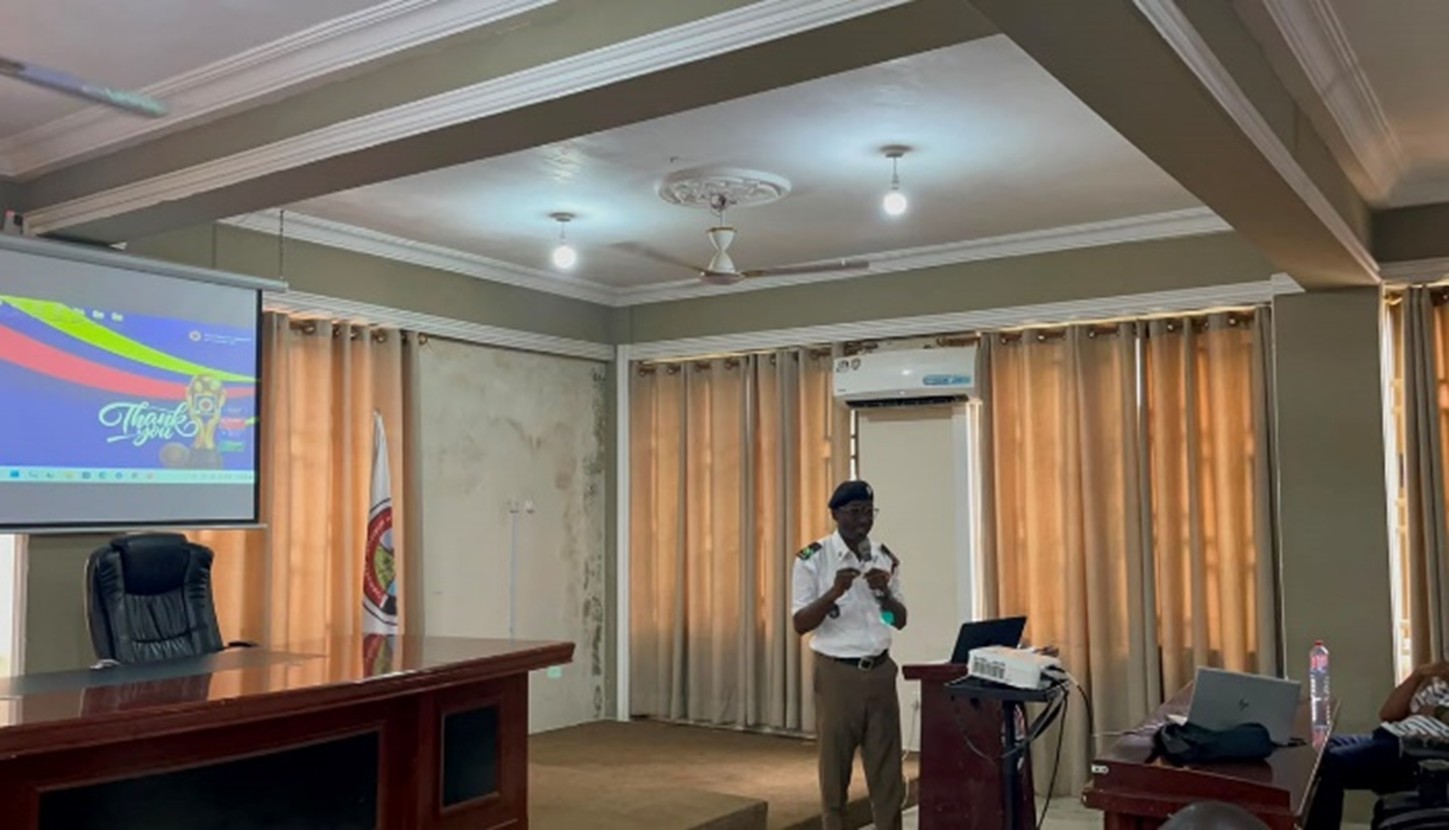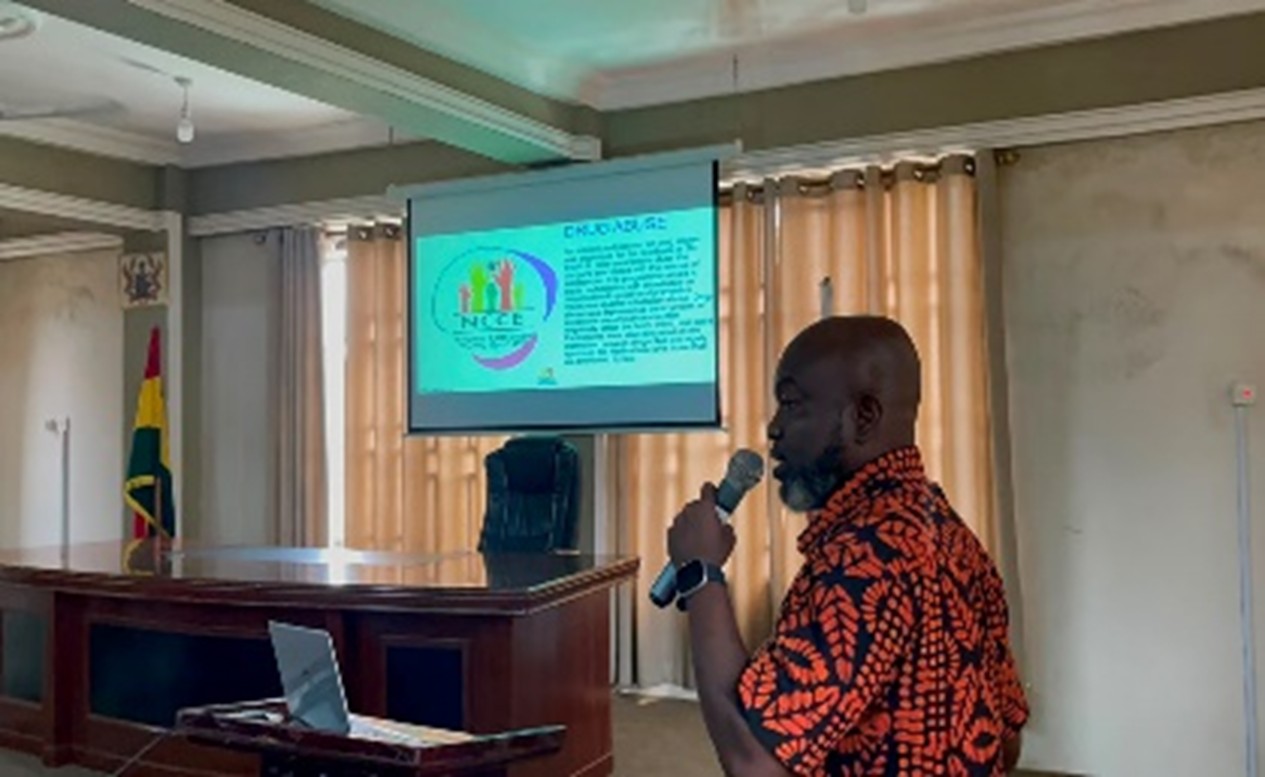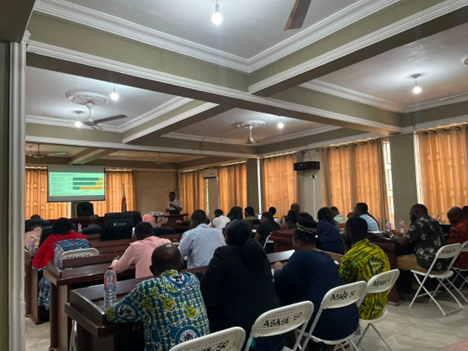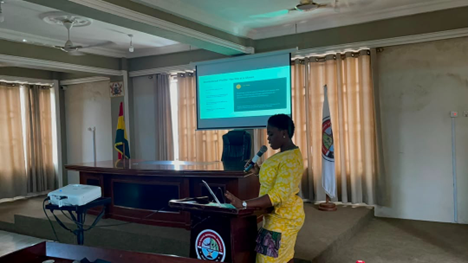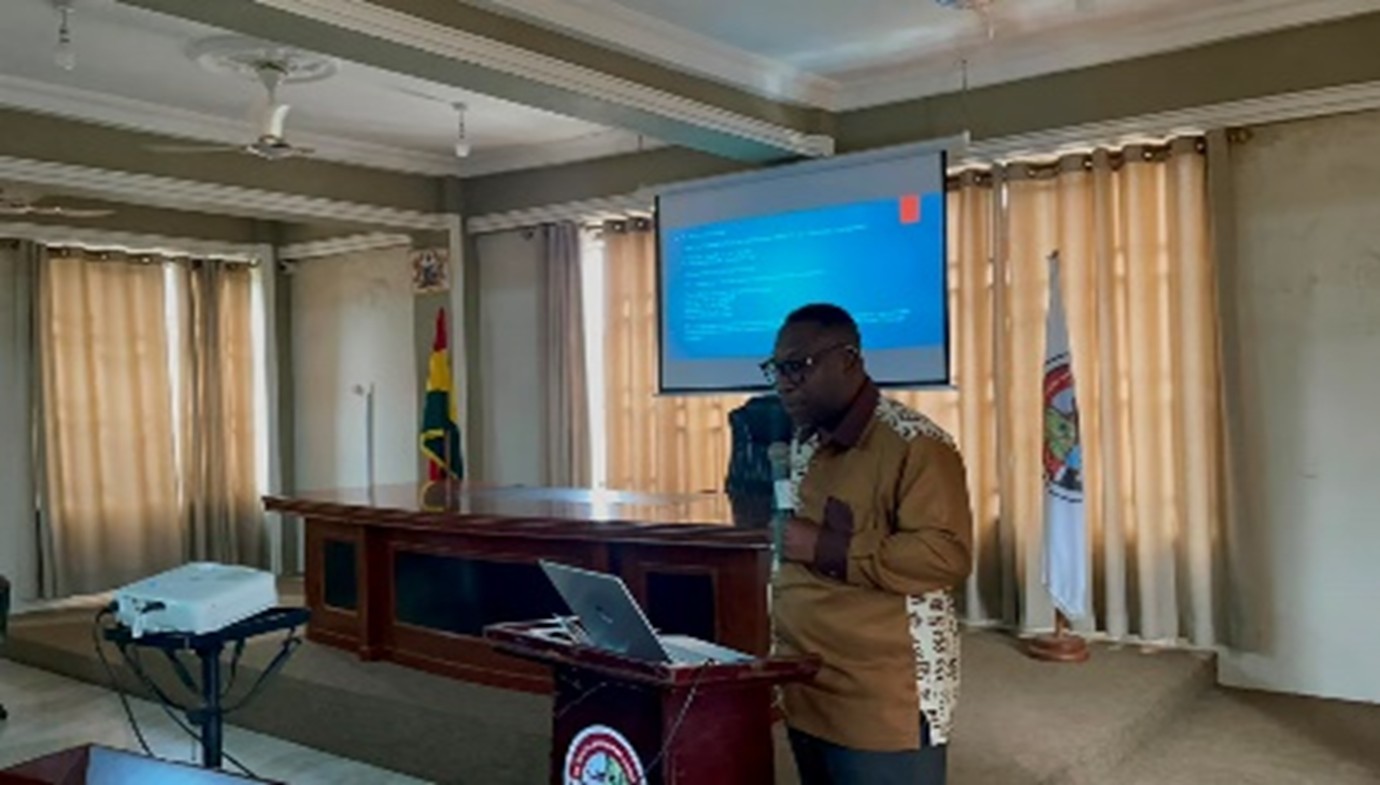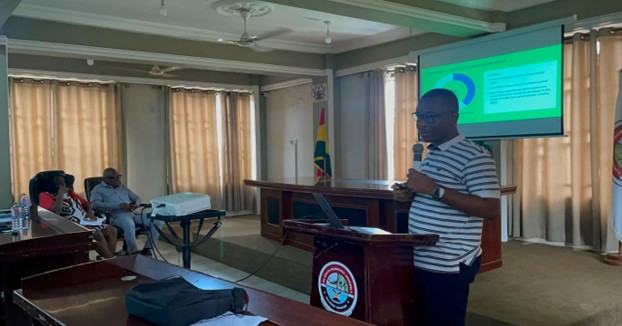
The Ga South Municipal Assembly convened its 2026 Stakeholders’ Mid-Year Review Meeting to assess progress during the first half of the year and identify priorities for the remaining months. The meeting was held on Thursday, 30th July 2026 at the Municipal Assembly Hall and brought together representatives of departments, agencies, state institutions and other key stakeholders within the Municipality. The review formed part of the Assembly’s efforts to strengthen institutional collaboration and improve service delivery, in line with Section 81 of the Local Governance Act, 2016 (Act 936).
Speaking at the opening of the meeting, the Municipal Chief Executive, Hon. Moses Kabu Kubi Ocansey, described the review as an opportunity for stakeholders to reflect on progress, identify challenges to accelerate development. He called for greater collaboration among institutions and efficient use of resources to ensure that development interventions respond to the needs of residents.
39 Percent of Planned Activities Implemented
Presenting the Assembly’s 2026 Annual Action Plan, Mr. Patrick Osei, of the development planning unit, reported that 75 out of 190 planned activities, representing 39 percent, had been implemented as of the review period. The activities among others included climate smart agriculture training, monthly clean up exercises, completion of a number of inherited legacy projects and the procurement and distribution of 800 dual desks and 800 mono desks to public schools. He highlighted that the Assembly budgeted an amount of GH₵74,864,142.75 for the year, out of which GH₵19,686,936.90 representing 26 percent had been realized as of June 2026. Focus on Completing Projects and Improving Municipal Services For the remainder of 2026, He mentioned that, the Assembly will focus on completing ongoing projects, intensifying Internally Generated Fund mobilization and strengthening sanitation management.Representatives of key stakeholder institutions namely the Ghana Fire Service, the Electricity Company of Ghana, the National Identification Authority, the Municipal Stool Lands Office, the Urban Roads Department, the National Commission for Civic Education, and the Youth Employment Agency, also provided brief updates on their activities and challenges within the Municipality. The discussions covered areas including fire response, electricity supply, national identification, land administration, road maintenance, civic education and youth employment. Common concerns included funding and logistical constraints, , land encroachment and the need for stronger public sensitization and institutional cooperation. The meeting ended with a call for continued collaboration between the Assembly and its stakeholder institutions to address identified challenges improve service delivery and sustain development across the Municipality.